Blood pressure is one of the most common — and most important — measurements of your overall health. Yet for many people, those two numbers on the screen don’t always make sense. Knowing what they mean could literally save your life.
What Is Blood Pressure?
Blood pressure measures how hard your heart is working to pump blood through your body. It’s recorded as two numbers:
- Systolic pressure (top number): The pressure when your heart beats.
- Diastolic pressure (bottom number): The pressure when your heart relaxes between beats.
Both numbers matter. A healthy balance means your heart and arteries are working together as they should.
Understanding the Numbers
According to the American Heart Association:
- Normal: Less than 120/80 mm Hg
- Elevated: Systolic 120–129 and diastolic less than 80
- High Blood Pressure (Stage 1): Systolic 130–139 or diastolic 80–89
- High Blood Pressure (Stage 2): Systolic 140 or higher or diastolic 90 or higher
- Hypertensive Crisis: Higher than 180/120 — seek medical help right away
Even a slightly higher reading over time can increase your risk for heart disease, stroke, and kidney problems.
Why It Matters for Our Community
High blood pressure (hypertension) is sometimes called the “silent killer” because it often has no symptoms. For African American adults, the rates of hypertension are among the highest in the world — and it tends to appear earlier in life. Regular monitoring, healthy habits, and community awareness can make all the difference.
How to Take Control
Here are a few simple steps to keep your numbers in check:
- Check it often. Get your blood pressure taken at health fairs, community events, or your doctor’s office.
- Eat smart. Reduce salt, add fruits and vegetables, and drink more water.
- Move daily. Aim for at least 30 minutes of physical activity most days.
- Manage stress. Try deep breathing, prayer, journaling, or walking outside.
- Take medications as prescribed. Don’t skip doses — consistency matters.
Know Your Numbers — and Share What You Learn
Understanding your blood pressure is the first step toward better health. Share what you know with family and friends, especially those who may not check their pressure often. Together, we can raise awareness, prevent complications, and strengthen our community’s heart health.
Join Us for a Free Blood Pressure Screening
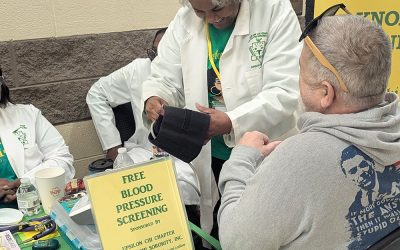
Chi Eta Phi Sorority, Inc., Upsilon Chi Chapter, invites you to join us at our next community health event. Our members will offer free blood pressure screenings, educational materials, and practical tips for maintaining a healthy lifestyle.
Check our Events Page or follow us on social media for dates, locations, and upcoming opportunities to take charge of your health.