Diabetes is one of the most common chronic conditions in the United States — and one of the most misunderstood. It affects how your body turns food into energy, and when unmanaged, it can quietly damage blood vessels and the heart over time.
At Chi Eta Phi Sorority, Inc., Upsilon Chi Chapter, we believe that knowledge is the first step toward prevention and healing. Let’s take a closer look at how diabetes works, how it affects your heart, and what you can do to protect yourself and your loved ones.
What Is Diabetes?
When you eat, your body breaks food down into sugar (glucose) and releases it into your bloodstream. Your pancreas produces insulin, a hormone that helps glucose enter your cells to be used for energy.
In diabetes, the body either doesn’t make enough insulin or can’t use it properly. This causes sugar to build up in the blood instead of being used for fuel — a condition known as high blood sugar (hyperglycemia).
There are two main types:
- Type 1 Diabetes: The body doesn’t produce insulin.
- Type 2 Diabetes: The body makes insulin but doesn’t use it effectively.
How Diabetes Affects the Heart
Over time, high blood sugar damages blood vessels and the nerves that control your heart. This makes people with diabetes more likely to develop:
- High blood pressure (hypertension)
- High cholesterol levels
- Narrowed or clogged arteries (atherosclerosis)
These conditions increase the risk of heart attack, stroke, and other serious cardiovascular problems. In fact, adults with diabetes are two to four times more likely to die from heart disease than those without it.
Nurse insight: Many patients focus on blood sugar alone, but managing diabetes also means managing your blood pressure, cholesterol, and stress. They’re all connected.
Warning Signs to Watch For
Because symptoms of heart disease can be subtle, it’s important to pay attention to changes in your body.
See your healthcare provider if you notice:
- Shortness of breath
- Chest pain or tightness
- Fatigue after light activity
- Swelling in your feet or legs
- Irregular heartbeat
Taking Control of Your Health
The good news is that heart complications from diabetes can often be prevented or delayed with small, consistent lifestyle changes:
- Check your blood sugar regularly and follow your care plan.
- Eat balanced meals with plenty of vegetables, whole grains, and lean proteins.
- Get moving — even a daily 30-minute walk makes a big difference.
- Quit smoking if you do.
- Keep your blood pressure and cholesterol in range.
- Schedule regular screenings for blood sugar, blood pressure, and cholesterol levels.
Nurse tip: Think of your body as a team — when one part struggles, the others work harder. Taking care of your heart helps your diabetes, and vice versa.
Join Us for Free Screenings and Heart Health Education
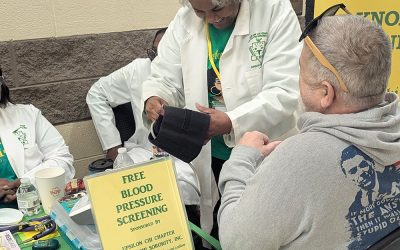
Chi Eta Phi’s Upsilon Chi Chapter offers free community health screenings focused on diabetes awareness, blood pressure checks, and heart health education.
We’re here to serve, educate, and empower you to live well — body, mind, and spirit.
Visit our Events Page to see upcoming health fairs and community wellness opportunities near you.